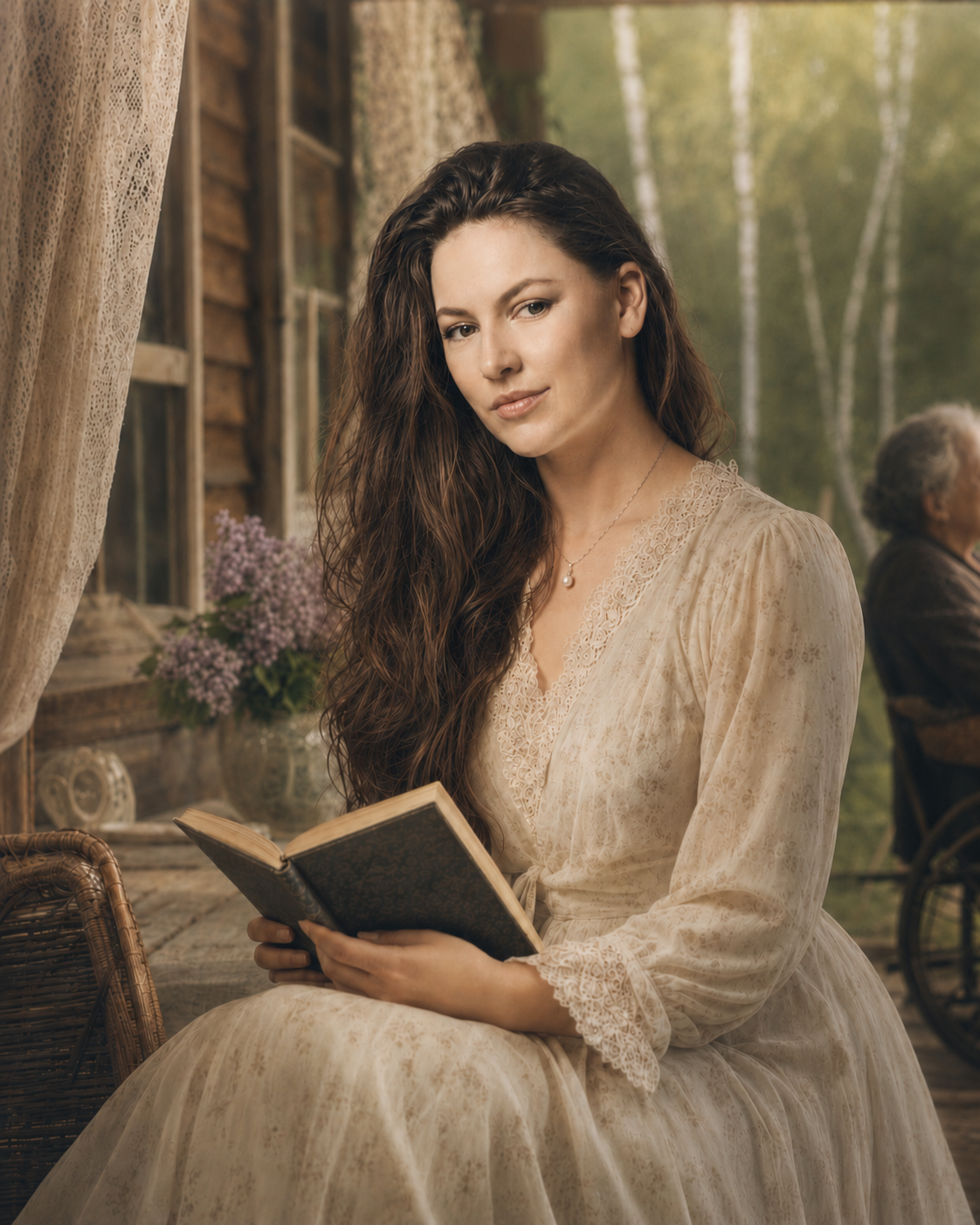
Eugene Onegin - West Australian Opera
The things we carry: the love never chosen, the paths never taken, the words never said
Upcoming performances
Please click on individual events for more information and ticket links
The things we carry: the love never chosen, the paths never taken, the words never said
La Missa Solemnis, que Beethoven considérait comme son œuvre la plus aboutie, est interprétée sur instruments d’époque par le Cercle de l’Harmonie dirigé par Jérémie Rhorer dans l’écrin que constitue l’église abbatiale de Saint-Antoine l’Abbaye.
La Missa solemnis pour solistes, choeur et orchestre de Beethoven a été composée entre 1818 et 1823 et créée dans son intégralité le 7 avril 1824 à la Société philharmonique de Saint-Pétersbourg. De larges extraits (Kyrie, Credo et Agnus Dei) en ont ensuite été joués lors du concert donné à Vienne le 7 mai 1824 en l’honneur de l’archiduc Rodolphe, commanditaire et dédicataire de la partition, et au cours duquel fut créée la Neuvième Symphonie.
L’œuvre suit la structure liturgique de l’Ordinaire de la messe en cinq mouvements : le Kyrie, choral expressif et méditatif à l’écriture contrapuntique de plus en plus complexe ; le Gloria, alternant éclats du choeur et interventions des solistes ; le Credo, qui culmine en une fugue monumentale et virtuose illustrant l’affirmation de la foi ; le Sanctus, illuminé par un solo de violon d’une grande élévation spirituelle ; l’Agnus Dei, tendre et contemplatif, qui se termine sur un appel à la paix universelle.
Les dialogues entre les voix et l’orchestre ainsi qu’une instrumentation d’une richesse exceptionnelle confèrent à cette messe solennelle, que Beethoven considérait comme son œuvre la plus aboutie, une densité dramatique inédite.
Elle sera parée des couleurs des instruments d’époque du Cercle de l’Harmonie dirigé par Jérémie Rhorer.
Le Cercle de l’Harmonie
Jérémie Rhorer, direction
Eleanor Lyons, soprano
Valentina Stadler, mezzo-soprano
Daniel Behle, ténor
Johannes Weisser, basse
Ludwig van Beethoven,
Missa Solemnis en ré majeur, op. 123
“Why have you lived? Why have you suffered? Is it all some huge, awful joke?”
Met Classics Live brengt het Koninklijk Concertgebouworkest een bijzonder groots programma naar de Ziggo Dome. Van de eerste klank tot het slotapplaus beleef je een avond met de meest geliefde klassieke hits, gespeeld door een van de beste orkesten ter wereld. Muziek die je herkent, die je raakt, en die je niet meer loslaat.
Met Dominic Seldis als presentator wordt Classics Live extra meeslepend, voor kenners én nieuw publiek. Op zijn eigen toegankelijke wijze neemt onze energieke contrabas-aanvoerder je mee langs de verhalen achter de muziek.
Op het programma staan enkele hoogtepunten uit de klassieke muziek, zoals Rossini’s Willem Tell-ouverture en het beroemde ‘slavenkoor’ uit Verdi’s opera Nabucco. Met als grandioze afsluiter de complete Negende symfonie van Beethoven, een monument uit de muziekgeschiedenis, onder leiding van topdirigent Iván Fischer. De wereldberoemde finale met koor en solisten is een visioen van verbondenheid en gelijkheid, een boodschap die al twee eeuwen mensen over de hele wereld samenbrengt.
Wanneer het koor inzet en ‘Alle Menschen werden Brüder’ zingt, wordt dat visioen werkelijkheid in de Ziggo Dome. Iedereen die dat wil zingt mee! Zo komen duizenden stemmen samen in een ongekend moment van energie, verbinding en pure muzikale kracht.
Wil je meezingen?
Wil je graag meezingen in de grootse finale van Beethovens Negende symfonie? Voor het concert stellen we digitaal materiaal beschikbaar, waaronder zangtechniekoefeningen en een instructie om uit te vinden welke stemsoort je hebt. Hiermee kun je thuis alvast oefenen. En voor wie het leuk vindt om er nog meer uit te halen, vindt tijdens de inloop vóór het concert (vanaf 19.00 uur) alvast een meezingrepetitie plaats.
Dit concert wordt georganiseerd in samenwerking met MOJO Concerts.
Waar kan ik een kaartje kopen?
De reguliere kaartverkoop voor beide concerten verloopt via Ticketmaster. Kom je met een groep naar Classics Live in de Ziggo Dome? Vanaf tien personen bieden wij 20% groepskorting. Vind meer informatie hoe je deze korting aanvraagt op deze pagina.
Duizenden stemmen komen samen in een ongekend moment van energie, verbinding en pure muzikale kracht.
Die menschliche Stimme steht hier im Mittelpunkt, der Gesang als Träger von Emotionen und als Ausdruck von Sehnsucht, Trost und Verwandlung. Unter der Leitung von Thomas Hengelbrock und in bewährter Zusammenarbeit mit dem Philharmonischen Chor zeigt dieses Programm, wie Musik dort am tiefsten berührt, wo viele Stimmen zu einer gemeinsamen Empfindung finden. Felix Mendelssohn Bartholdy setzte mit seinen Vokalwerken Maßstäbe und beeinflusste damit auch die Arbeit seines Freundes Robert Schumann. Um Goethes Faust in Musik zu setzen, schwebte Schumann eine völlig freie Form vor und so kam er auf ein »neues Genre für den Concertsaal«. Der gefeierte Bariton Samuel Hasselhorn schlüpft in Schumanns »Faust-Szenen« in die Rolle des Doktor Faustus, um die inneren Seelenzustände in ein Klangtheater zu verwandeln.
For the first time performing a whole opera with her husband Vladimir Fanshil…
Ich will euch wiedersehen…
Mahler: Symphony No.8 in E-flat major, “Symphonie der Tausend”
Brahms sings of humanity, and David Bobée gives it a face. In a powerful staging where the wounds of the world meet the fervor of music, this German Requiem moves and enlightens in equal measure.
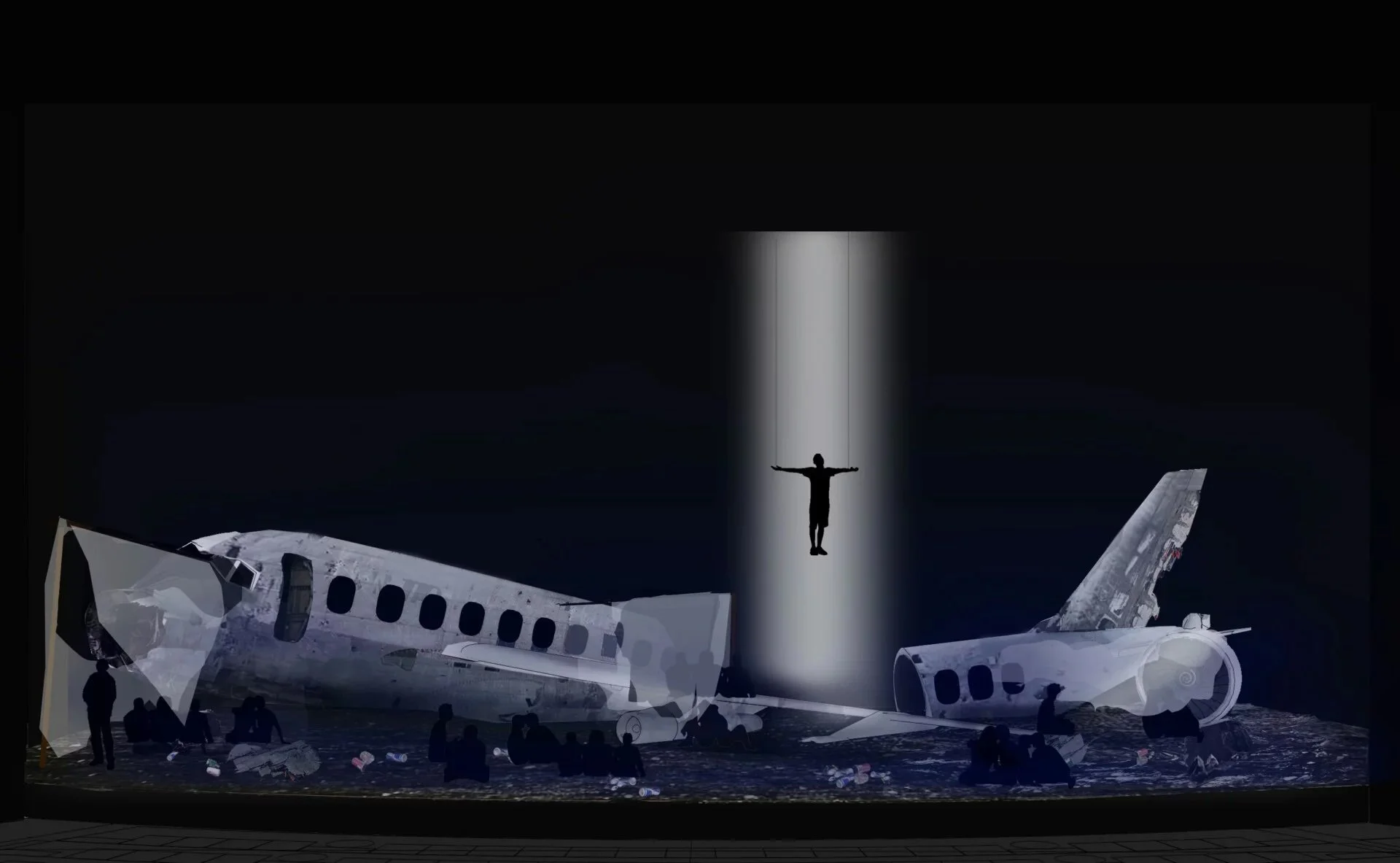
In 2022, their collaboration on Beethoven’s Fidelio left a lasting impression. Stage director David Bobée reunites with Laurence Equilbey and Insula orchestra for Ein deutsches Requiem. Johannes Brahms described his Requiem as a “human requiem”, universal before religious. David Bobée imagines a striking staging marked by the visual power of a smoking airplane fuselage crashed to the ground. Today’s concerns echo through the dark romanticism of Brahms.
This concert is interpreted in period instruments.
Eleanor Lyons
soprano
John Brancy
baritone
accentus
Insula orchestra
Laurence Equilbey
conductor
David Bobée
stage direction
David Bobée et Léa Jézéquel
scenography
Mayuko Tsukiji et Samuel Bobée
costumes
Wojtek Doroszuk
video
Franck Krawczyk
musical arrangements
Stéphane Babi-Aubert et Léo Courpotin
lighting
Jean-Noël Françoise
sound
Brahms sings of humanity, and David Bobée gives it a face. In a powerful staging where the wounds of the world meet the fervor of music, this German Requiem moves and enlightens in equal measure.
In 2022, their collaboration on Beethoven’s Fidelio left a lasting impression. Stage director David Bobée reunites with Laurence Equilbey and Insula orchestra for Ein deutsches Requiem. Johannes Brahms described his Requiem as a “human requiem”, universal before religious. David Bobée imagines a striking staging marked by the visual power of a smoking airplane fuselage crashed to the ground. Today’s concerns echo through the dark romanticism of Brahms.
This concert is interpreted in period instruments.
Eleanor Lyons
soprano
John Brancy
baritone
accentus
Insula orchestra
Laurence Equilbey
conductor
David Bobée
stage direction
David Bobée et Léa Jézéquel
scenography
Mayuko Tsukiji et Samuel Bobée
costumes
Wojtek Doroszuk
video
Franck Krawczyk
musical arrangements
Stéphane Babi-Aubert et Léo Courpotin
lighting
Jean-Noël Françoise
sound
Brahms sings of humanity, and David Bobée gives it a face. In a powerful staging where the wounds of the world meet the fervor of music, this German Requiem moves and enlightens in equal measure.
In 2022, their collaboration on Beethoven’s Fidelio left a lasting impression. Stage director David Bobée reunites with Laurence Equilbey and Insula orchestra for Ein deutsches Requiem. Johannes Brahms described his Requiem as a “human requiem”, universal before religious. David Bobée imagines a striking staging marked by the visual power of a smoking airplane fuselage crashed to the ground. Today’s concerns echo through the dark romanticism of Brahms.
This concert is interpreted in period instruments.
Eleanor Lyons
soprano
John Brancy
baritone
accentus
Insula orchestra
Laurence Equilbey
conductor
David Bobée
stage direction
David Bobée et Léa Jézéquel
scenography
Mayuko Tsukiji et Samuel Bobée
costumes
Wojtek Doroszuk
video
Franck Krawczyk
musical arrangements
Stéphane Babi-Aubert et Léo Courpotin
lighting
Jean-Noël Françoise
sound
Brahms sings of humanity, and David Bobée gives it a face. In a powerful staging where the wounds of the world meet the fervor of music, this German Requiem moves and enlightens in equal measure.
In 2022, their collaboration on Beethoven’s Fidelio left a lasting impression. Stage director David Bobée reunites with Laurence Equilbey and Insula orchestra for Ein deutsches Requiem. Johannes Brahms described his Requiem as a “human requiem”, universal before religious. David Bobée imagines a striking staging marked by the visual power of a smoking airplane fuselage crashed to the ground. Today’s concerns echo through the dark romanticism of Brahms.
This concert is interpreted in period instruments.
Eleanor Lyons
soprano
John Brancy
baritone
accentus
Insula orchestra
Laurence Equilbey
conductor
David Bobée
stage direction
David Bobée et Léa Jézéquel
scenography
Mayuko Tsukiji et Samuel Bobée
costumes
Wojtek Doroszuk
video
Franck Krawczyk
musical arrangements
Stéphane Babi-Aubert et Léo Courpotin
lighting
Jean-Noël Françoise
sound
Conductor Umberto Clerici
Teatro Massimo Orchestra and Chorus
Chorus Master Salvatore Punturo
Ludwig van Beethoven
Missa solemnis for solo, chorus and orchestra, Op. 123
Debut with Boston Symphony Orchestra
If you’re hanging out for a mammoth vocal event in 2025, this is it. Not only do we have the Brisbane Chamber Choir Collective joining us on stage – we’ve also invited four top-tier soloists to sing alongside our orchestra in this impassioned performance of Verdi’s Requiem.
The main work in this concert is the Stabat mater by Rossini, which was composed after the hugely successful composer had retired from the opera house. A setting of an age-old religious poem, the Stabat mater ponders the grief of Mary, the mother of Christ, as she stands at the foot of the cross. Compelling and emotive, this large-scale work for orchestra, chorus and four vocal soloists presents Rossini at the height of his powers.
Ein Absolutum von Dvořák – dirigiert von Philippe Herreweghe
A call for unity that resonates through history as an echo from the past.